Explore historic Christianity’s foundations and its defining traits—rooted in Scripture, united in Christ, guided by the Spirit, and called to speak truth in love to a fallen world.
Christianity is a historic religion that teaches there’s only one true God, revealed to us through Jesus Christ, his Son. It centers on the life, death, and resurrection of Jesus—events prophesied in the Old Testament hundreds of years before they were fulfilled and recorded in the New Testament.
The history of Christianity is rooted in real people and real places, supported by eyewitness testimony, fulfilled prophecy, and compelling scientific evidence. But it’s more than just facts and doctrines—it’s the true account of the Creator of the universe who loves us so deeply he stepped into history to restore our broken relationship with him.
At its heart, the Christian faith is about knowing the One who created you—the God who invites you into a life of purpose, hope, and eternal love.
But how did a small group of Jesus followers grow into a global movement? And why do millions today follow the teachings of a crucified “suffering servant”?
Let’s take a closer look at the beliefs of Christianity—what it teaches, what makes it unique among world religions, and why it matters for all of us.
What Is Christianity?
Christianity is defined by its belief in one God who revealed himself through Jesus Christ—Jesus of Nazareth, the promised Messiah. It’s an Abrahamic monotheistic faith (meaning it believes in one God and shares a spiritual heritage with Judaism through the patriarch Abraham) that traces its roots back to the promises God made in the Old Testament.
It culminates in Jesus Christ who claimed—and demonstrated—that he is the Son of God and the Savior of humanity. The Christian faith offers more than just moral teachings or philosophical concepts; it presents a testable truth claim grounded in history, supported by evidence, and centered on a restored relationship with our Creator.
Christians believe Jesus was sent by God to reconcile a broken world to himself. His purpose was extraordinary—to live a sinless life, offer himself as the ultimate atonement for sin by dying on a cross, and conquer death through his resurrection. He changed history forever.
For believers, Jesus’s life fulfills the detailed ancient prophecies found in Scripture and proclaims that he is the promised Messiah who would restore humanity’s relationship with God.
What Is a Christian?
A Christian is someone who believes that the one God is triune (Father, Son, and Holy Spirit) and who lives out the Christian faith by trusting in Jesus Christ for eternal salvation from sin and death. At its center, being a Christian means believing that Jesus is the Son of God, the risen Savior, and the Lord of all creation. This faith is grounded in both reason and evidence—supported by history, fulfilled prophecy, the observable design of the universe, and the truth of Scripture.
Christians trust in the Bible as the living Word of God, not merely as an ancient text. They trust in the life, teachings, death, and resurrection of Jesus as personal and transformative truths that align with what we see in both nature and human experience.
To put it simply, Christians are people who follow Jesus Christ. This means believing Jesus is who he claimed to be—God incarnate—and being transformed by that belief. A Christian is one who surrenders their life to Jesus as Lord, allowing the Holy Spirit to change them and empower them to become more like Jesus. A Christian enters a loving relationship with God and extends his love to others.
Here are some key aspects of being a Christian:
Believing Jesus is Lord: Christians believe that Jesus is God, sent to save us from our sins by taking our punishment through death on the cross, defeat death through his resurrection, and restore our relationship with God. His role as Lord and Savior is central to the Christian faith.
Following Jesus’s Teachings: Christians aim to live in a way that reflects his example, especially his commands to love God and love others. His teachings are to guide how we think, act, and treat those around us.
Salvation by Grace Through Faith: Christianity teaches that salvation isn’t something we can earn (no one is good enough to meet God’s perfect standard on their own). It’s a free gift from God, offered through belief and acceptance of Jesus’s life, death, and resurrection. This grace is received through faith, not by works or effort (Ephesians 2:8–9).
Being Part of the Church: Christians belong to a community of faith. The church is not just a building but a spiritual family of believers who worship together, grow in their faith, and support one another.
Living a Life of Love and Service: Christians are called to reflect Jesus’s example through lives marked by compassion, humility, and service. Loving God and others isn’t just a command, it’s a way of life.
Being a Christian means more than holding a title or engaging in religious rituals. It’s about a relationship—with God as our Father, with fellow believers as family, and with a world that desperately needs the hope we’ve received. When we place our faith in Jesus, he transforms every part of who we are. We are given a new identity as children of God, new purpose as his ambassadors, and new hope built on his promises both for this life and for eternity.
When Was the Word “Christian” First Used?
The term “Christian” was first used in the first century in Antioch, a city that played a key role in the early spread of the faith (Acts 11:26). Initially, “Christian” was a label given by outsiders to followers of “The Way,” referring to those who modeled their lives after Jesus Christ. While it may have started as a nickname, the term was embraced by believers as a meaningful identity tied to their faith.
Throughout the centuries, the growth of Christianity and the word “Christian” has united millions of people across different cultures, languages, and traditions. At the heart of it all, though, remains the same foundational truth: it’s all about Jesus.
History of Christianity
Origin of Christianity
Christianity began in the first century AD in the Middle East during a time of social, political, and religious complexity. It all started with Jesus of Nazareth, a teacher and healer who claimed to be God’s son and whose life and ministry transformed those who encountered him. Jesus’s message of God’s kingdom, love, and redemption resonated with many, and his actions challenged the norms of his day.
What sets Christianity apart is its strong foundation in historical events. Jesus’s teachings, his crucifixion under Roman authority, and his resurrection form the core of the faith. The crucifixion is historically documented, while the resurrection is affirmed by eyewitness testimony that shaped the early church. The resurrection, in particular, is central to Christianity, as Jesus appeared to hundreds of people and affirmed his identity as the Messiah. For those first followers of Jesus, his life fulfilled the promises and prophecies of their Scriptures, confirming their belief that he was the long-awaited Savior.
The earliest Christians were primarily Jewish men and women who saw Jesus as the fulfillment of the ancient prophecies about the Messiah. They didn’t see their belief as a departure from their religion but as its natural completion. Christianity, then, wasn’t a sudden invention or isolated event. It was the culmination of centuries of prophecy and expectation flowing from God’s unfolding plan.
From this humble beginning in a small region of the world 2,000 years ago, Christianity would eventually grow into a global faith grounded in the historical person of Jesus and his promise of eternal life.
The Spread of Christianity
Christianity spread with remarkable momentum after Jesus’s resurrection, carried forward by the bold eyewitness testimony of the apostles and the early church. These first followers, empowered by their experiences with the risen Jesus, shared the gospel with anyone who would listen, starting in Jerusalem and reaching major cities across the Roman Empire within decades.
Despite Persecution
One of the most remarkable aspects of Christianity’s expansion was its ability to thrive despite intense, often violent, persecution. Missionaries like Paul and Barnabas played a significant role, traveling extensively and forming communities of believers throughout the region. From the large cities to humble villages, the message of Jesus began to take hold, bringing hope and transformation to those who would listen.
Christianity’s Appeal
What made the gospel message so compelling was its universal appeal. It crossed cultural and social barriers—offering hope to the oppressed, purpose to the searching, and dignity to those often overlooked. Unlike many belief systems of the time, Christianity spoke directly to people of all classes and backgrounds, emphasizing that everyone was deeply loved by God and worthy of acceptance.
An important part of this inclusion was the dignity it gave women in a historically male-centered culture. Women in Christianity are affirmed as image-bearers of God, equally valuable and loved in his eyes. As a result, they played many roles in the early church as disciples, leaders, and witnesses to the resurrection. This elevation of women’s worth stood in stark contrast to societal norms.
Historical evidence highlights the remarkable growth of the early church as both grassroots and global. Ordinary people, compelled by an extraordinary message, shared their faith with family, friends, and strangers. Person by person, community by community, Christianity reached Asia, Europe, and Africa (Romans 15:19; Acts 6:8-9), transforming the world and carrying the message of hope and reconciliation wherever it reached.
Is Christianity in the Bible?
You may wonder, does the Bible use the term “Christianity” directly? While the word itself doesn’t appear, the ideas behind Christianity are woven throughout Scripture, from Genesis to Revelation. The Bible is the story of God’s work to rescue and restore humanity, a story that finds its ultimate fulfillment in Jesus Christ.
The New Testament documents Jesus’s ministry in detail, showing how his life fulfilled the promises, prophecies, and commandments found in the Old Testament. These promises pointed to a Messiah, a Prince of Peace, who would bridge the gap between us and God. Christians believe this Messiah is Jesus, whose sacrifice on the cross and victory over death completed God’s redemptive plan.
Interestingly, the earliest followers of Jesus didn’t call their faith “Christianity.” Instead, it was often referred to as “The Way” (Acts 9:2), reflecting the belief that Jesus’s teachings revealed the true path to God, built on his statement: “I am the way, the truth, and the life.” It wasn’t until the believers in Antioch were observed for their Christlike lives that they were called “Christians” (Acts 11:26) and the term “Christianity” came into use.
Key Moments in Christian History
Throughout its history, Christianity has experienced several eras that shaped its faith, practice, and global influence. Here’s a look at some of the major time frames:
The Apostolic Age (AD ~30–100)
Christianity began with Jesus’s death, resurrection, and Great Commission, which sparked the apostolic age when his disciples launched the early church. This period includes Pentecost, where the Holy Spirit empowered the apostles to preach boldly, and the gospel began spreading throughout the Roman Empire. Missionary journeys, especially those of Paul, carried the message far and wide. During this time, the New Testament was written, laying the foundation of Christian teachings for future generations.
The Early Church (AD 100–400)
The early church faced intense persecution during its formative years, yet continued to grow. Key theological contributions came from early church fathers, who shaped Christian doctrine and strengthened the faith despite the challenges. Emperor Constantine legalized Christianity in AD 313, marking a significant shift from a persecuted faith to one with imperial support. The Council of Nicaea in AD 325 was also pivotal, as it clarified the nature of Christ and established the Nicene Creed.
Late Antiquity (AD 400–600)
With the Roman Empire in decline, Christianity emerged as a unifying cultural and spiritual force. Augustine of Hippo’s theological insights from the previous era, especially in works like The Confessions and City of God, became cornerstones of Christian philosophy. This era also saw the rise of monasticism. As individuals sought to live devout lives of prayer, reflection, and service, these practices contributed greatly to the preservation and expansion of Christian teachings.
The Middle Ages (600–1500)
The Middle Ages saw the papacy grow in power as Christianity became deeply intertwined with European life. It also saw the first major split between the Catholic Church and Eastern Orthodox Church in 1054. Feudalism shaped societal structures, and the Crusades, which began in 1095, sought to reclaim holy sites. Universities emerged, supported by Christian scholars, fostering education and intellectual thought. Christianity’s reach grew, making it a dominant influence on both culture and government.
The Renaissance and Protestant Reformation (1400–1650)
The Renaissance, which began in the fourteenth century, sparked a renewed interest in learning and exploration that influenced religious reflection as well. The Protestant Reformation, led by figures like Martin Luther and John Calvin, transformed Christianity. Protestants emphasized salvation by grace through faith, the authority of Scripture, and challenged corruption within the Catholic Church. This movement reshaped the Christian landscape and gave room for many new denominations.
The Modern Era (1650–1900)
The Enlightenment and growing secularism brought new challenges and shifts in theological thought during this period. Meanwhile, religious movements such as evangelicalism injected vitality into the faith. Missionary work expanded globally, spreading Christianity to parts of Africa, Asia, and the Americas. This period saw diverse expressions of faith emerge.
The Postmodern and Contemporary Eras (1900–Today)
The twentieth and twenty-first centuries have brought rapid cultural change, marked by pluralism, skepticism toward absolute truth, and increasing secularism in the West. Yet, Christianity has grown dramatically in the global south, and innovative expressions of faith continue to speak to the changing cultural landscape. Pentecostalism, which emerged in the early 1900s, became one of the century’s most significant movements, emphasizing the work of the Holy Spirit and growing rapidly across Africa, Asia, and Latin America. The twentieth century also saw movements like ecumenism, which sought Christian unity, as well as Christian nationalism, which brought attention to the blending of religious identity with political ideology.
From its beginnings in a small nation little known to the world to its global reach today, Christianity’s history is rich and impactful. These eras and moments remind us of the enduring truths and hard challenges that have shaped the faith we experience now.
Major Splits Within Christianity
Over the centuries, Christianity has experienced several divisions that have shaped how it looks today. These splits often resulted from disagreements about theology, authority, or practices. Here’s a closer look at some of the most noteworthy events:
The Great East-West Split (1054)
The first major division in Christianity happened in 1054—known as the Great Schism. This split separated the Western church, led by the pope in Rome, from the Eastern church, which we now call the Eastern Orthodox Church. The divide stemmed from long-standing disagreements over issues like the authority of the pope and theological differences, such as how the Holy Spirit is understood. Despite their shared roots, the two branches developed distinct traditions and practices over time that mark one of the most significant turning points in Christian history.
The Protestant Reformation (1500s)
Fast forward to the 1500s, when a German monk named Martin Luther challenged what he saw as the sale of indulgences and other abuses within the Catholic Church. His bold act of nailing his Ninety-Five Theses to a church door in 1517, sparked the Protestant Reformation. This movement called for reforms in the church’s theology and practices, emphasizing salvation by grace alone through faith alone and Scripture’s authority. Luther’s efforts led to the rise of Protestant denominations and created a wave of change that forever reshaped Christianity.
More Denominations Followed
After the initial wave of the Reformation, the Protestant movement kept evolving. Branches emerged, including Lutheran, Anglican, Reformed, and Anabaptist traditions. Each group brought its own interpretation of the faith, emphasizing different aspects of theology, worship, and church leadership. These divisions created a rich tapestry of beliefs and practices within Christianity, many of which are still active today.
Even More Splits
The divisions didn’t stop after the Reformation. Throughout history, disagreements about theology, politics, and cultural practices have continued to lead to new splits and developments, each creating a unique expression of Christianity and adding to the variations we see today. From small independent churches to global movements, each reflects the ongoing story of how Christians seek to live out their faith.
These splits remind us that Christianity, while united by shared beliefs, has grown into a faith with many faces, traditions, and interpretations. The richness of this diversity speaks to both the challenges and resilience of the Christian faith across time.
Core Christian Beliefs
Understanding the core beliefs of Christianity gives us a glimpse into the faith and hope it offers. Here’s a breakdown of these fundamental beliefs:
One True Living God
Christianity is monotheistic, meaning there is one eternal, all-powerful, all-knowing Creator of the universe.
God isn’t a distant force or abstract idea; he is living and active, involved in his creation and in the lives of those who seek him.
God as Trinity
Christians believe the one God exists in three persons, distinct but one: the Father, the Son (Jesus Christ), and the Holy Spirit.
This concept, known as the Trinity, reflects the relational and active nature of God and his desire to draw us closer to him.
The Uniqueness of God in Jesus Christ
Christianity holds that not all paths lead to God. While other faiths may offer insights or moral guidance, the Bible reveals the one true God uniquely and fully in Jesus Christ.
Jesus doesn’t just point to God—he is God (John 1:1–5).
Jesus Christ, the Promised Messiah
At the heart of Christianity is the belief in Jesus Christ as the Son of God and God himself in human form—truly divine and truly human.
Jesus’s life, death, and resurrection fulfill God’s promise to provide a Messiah. His sacrifice—by his wounds, as Isaiah prophesied—opens the way for healing and a restored relationship with God.
According to John 14:6, Jesus said, “I am the way and the truth and the life. No one comes to the Father except through me.”
I am the way and the truth and the life. No one comes to the Father except through me.
Salvation Through Jesus Christ
Christians believe that salvation is not something we earn, but a gift we receive through faith in Jesus. As Scripture says, if we believe in our hearts and confess with our mouths that Jesus is Lord, we will be saved (Romans 10:9–10).
His death on the cross took the curse of sin upon himself and paid sin’s penalty, and his resurrection gives us hope for eternal life.
These truths form the foundation of the Christian faith, calling us to live in a relationship with God that is filled with hope and purpose. Together, they reveal a compassionate, personal God.
The God of Christianity reveals Himself through his incredible creation—each intricate design is a fingerprint of the Designer.
God Revealed Through His Word and His World
Christians often describe God’s self-revelation using the “two books” metaphor. This idea reminds us that God makes himself known in two powerful ways: through his Word, the Bible, and through his world, his creation.
God’s Word
The Bible is more than a historical document or collection of ancient texts. Christians hold that it’s the inspired Word of God, given to reveal who he is, who we are, and how we can have an eternal relationship with him. It teaches us about his character, his love, and his plans for humanity. By reading Scripture, we do more than gain knowledge—we encounter the living God. His Word comforts, convicts, and transforms us, shaping us into who he made us to be.
God’s World
Nature is another way God reveals himself to us. The universe—with its beauty, complexity, and order—points to a Creator. Psalm 19:1 expresses this:
The heavens declare the glory of God; the skies proclaim the work of his hands.
Similarly, Romans 1:20 explains that through observing creation, we can see God’s eternal power and divine nature clearly. From the intricate workings of living organisms to the vastness of the stars, creation reflects God’s majesty and wisdom.
By learning from both God’s Word and his world, we can grasp a better understanding of who he is.
Christian Beliefs About Humanity, Sin, Salvation, and Hope
Humans Are Made in God’s Image
Christians believe every person is made in the image of God, which in itself sets humanity apart as unique. This means we aren’t animals or accidents of nature—we are created with value, purpose, moral responsibility, and a calling to be stewards of God’s creation. Being made in God’s image also means we are spiritual beings with the ability to love, create, reason, live in community, and form a relationship with our Creator. This foundational belief shapes how Christians see themselves and others which affirms the dignity and worth of every individual.
Sin Separates Us From God
Despite being made in God’s image, sin affects us all. Sin isn’t just about doing bad things—it’s deeper than that. It’s our rejection of God’s authority over our lives, driven by pride, rebellion, and self-centeredness. Romans 3:23 reminds us that “all have sinned and fall short of the glory of God.” Sin creates a barrier between us and the holy God, leaving us in need of rescue because we can’t bridge the gap on our own.
Salvation Is by Grace Through Faith
The good news is that God provides a way to restore the broken relationship caused by sin. Salvation is a gift from God. It’s not something we earn, but something we receive by trusting in Jesus Christ. Through his death, Jesus took the penalty for our sin. Through his resurrection, he offers us new life. Jesus provided the gift. Ephesians 2:8–9 puts it this way: “For it is by grace you have been saved, through faith—and this is not from yourselves, it is the gift of God—not by works, so that no one can boast.” What matters is not being good enough but being made new through faith in Christ. The promise of salvation by grace is forgiveness, restored relationship with God, and eternal life.
Christians Are Called to Love and Live Differently
A central call of the Christian faith is to love God with all our heart, soul, strength, and mind, (Mark 12:30) and to love others as ourselves (Matthew 22:37–39). Jesus called these the greatest commandments. But this love is more than words; it’s shown through how we live. Empowered by God’s Spirit, following Jesus means embodying compassion, integrity, humility, hope, and forgiveness even in a world filled with brokenness. We will fall short. But God is faithful, transforming us to become more like Christ.
A Future Hope
Christianity is a faith grounded in confident hope. Believers look forward to the return of Christ and the new heaven and new earth he has promised, where God will dwell with his people, and sin, death, and suffering will be no more. But this hope isn’t just about the future. Eternal life begins now, through a relationship with God that brings peace, purpose, and joy even amid suffering. Christians trust that nothing—not hardship, not loss, not even death—can separate them from God’s love.
This is the story that forms the Christian life: created by God, fallen into sin, redeemed through Christ, and awaiting the day when he returns to make all things new. Christians live in this story, assured of God’s promises, called to love, and being transformed by his grace.
The Bible
What Is the Bible?
The Bible is no ordinary book. It’s a collection of 66 books written over 1,500 years by around 35 to 40 human authors, each writing in their own style and context, yet all inspired by God. These books include historical accounts, poetry, prophecy, wisdom literature, and letters, all woven together to tell one unified story of creation, fall, redemption, and the promise of all things made new.
The Bible is divided into two main sections. The Old Testament looks ahead to the coming of the Messiah, while the New Testament reveals Jesus Christ as God’s promises fulfilled. Through its pages, we’re invited to see how God has worked in history and how his plans continue to unfold.
The Significance of the Bible for Christians
For Christians, the Bible isn’t just another religious book—it’s the inspired word of God (2 Timothy 3:16) and God’s revelation of himself to humanity. It’s the foundation of the Christian faith, teaching us who God is, who we are, and how we can have a relationship with him. Beyond that, it provides moral guidance, spiritual truth, and answers to life’s biggest and most challenging questions—where we come from, why we’re here, and where we’re going. But the Bible is meant to be lived, not just studied. Through its pages, believers encounter God, understand his character, and find comfort, wisdom, and direction for daily life.
Are There Contradictions in the Bible?
You may have heard people claim that the Bible contradicts itself. Yet, most of these so-called contradictions are really misunderstandings. They often arise from differences in context, translation, or genre. The Bible was written across many cultures and centuries, so interpreting it requires care and effort to understand its original intent and the full meaning of passages. God is the God of truth, and when we correctly understand his Word, we see consistency instead of contradictions.
Is the Bible True?
The Bible is a reliable and truthful book historically, spiritually, and in its internal coherence. It has stood the test of time. Its reliability is supported by thousands of manuscript copies, archaeological discoveries, and fulfilled prophecies. While the Bible is not a science textbook, its statements have proven remarkably consistent with modern discoveries: the universe had a beginning (Genesis 1:1), the earth is round (Isaiah 40:22), every star is different (1 Corinthians 15:41), winds blow in cyclones (Ecclesiastes 1:6)—all claims made centuries before science confirmed them.
The Church
What Is the Church in Christianity?
The church is much more than a building or organization. It refers to all followers of Jesus Christ across time and around the world—a spiritual family united by faith and mission. The Bible calls the church the body of Christ (1 Corinthians 12:27), with Jesus himself as its head (Colossians 1:18). He guides the church to share the gospel, make disciples, and reflect God’s love to the world.
The church spans the globe, drawing believers from every tribe, language, and nation (Revelation 7:9), while local churches provide spaces for believers to worship, grow, and serve together. The Holy Spirit equips each believer with gifts to build up the church and serve the world (1 Corinthians 12:4–7).
The church is not perfect—it’s made up of flawed people. Yet it remains God’s chosen instrument for advancing his kingdom, demonstrating how broken lives can be transformed through grace. Scripture describes the church as the bride of Christ, the temple of the Spirit, and a new humanity—images that reflect its intimate relationship with Jesus, the Spirit’s presence within it, and God’s purpose to unite all people under Christ (Ephesians 2:11-22)..
How Does Christianity Relate Faith to Reason?
Biblical faith isn’t blind or wishful thinking. The New Testament word for faith (Greek: pistis) means confident trust in a credible source—specifically, God and the truth he reveals. Faith requires a rational basis; its source includes knowledge of historical truths about Jesus’s life, death, and resurrection. Christianity invites us to know and believe what is true.
Historic Christianity has always taught that faith and reason work together. Thinkers like Augustine, Anselm, and Aquinas emphasized that believers are called to pursue understanding and explore the rational foundations of their faith. Through Christian apologetics, believers engage with evidence and arguments that support Christianity’s claims.
While faith involves reason, it also goes beyond what human reason can fully comprehend—not by rejecting reason, but by building on it. Divine mysteries like the Trinity and the incarnation surpass our understanding because they relate to the infinite nature of God—yet they do not contradict reason. This is because reason itself has its source in God. Human reason reflects his rational nature, and being made in his image gives us the capacity to think, discover, and pursue truth. Faith doesn’t ask us to abandon this gift but to pursue truth with it, even as we bow before mysteries too deep to fully grasp.
Why Christianity Matters
A Restored Relationship with God
At its heart, Christianity is about a restored relationship with the living God (2 Corinthians 5:18-20). God invites you to know and be known by the One who created you with purpose and loves you beyond measure. The Christian life flows from this connection—not from keeping rules or performing rituals, but from walking with God and being transformed by his grace into the person you were made to be.
A Faith Rooted in History and Reason
What makes Christianity stand apart is its foundation in history, reason, and evidence. The life, death, and resurrection of Jesus Christ are both spiritual realities and historical events—attested by eyewitness testimony, corroborated by ancient sources, and supported by archaeological and scientific findings. Christianity thrives on honest questions and invites rigorous investigation.
The Transformative Power of the Bible
The Bible isn’t just an ancient text gathering dust on a shelf. It’s God’s trustworthy and transformative Word—remarkably preserved across millennia, consistent in its message, and harmonious with scientific discoveries. For centuries, this book has transformed lives by turning hearts from sin, renewing minds, and giving hope to the hopeless. Through its pages, you encounter God’s voice, discover his character, and find yourself becoming more like Christ.
Come and See
Christianity offers what no other religion can: a restored relationship with the living God through Jesus Christ. It brings you to an intimate knowledge of the One who created you, knows you completely, and loves you beyond measure.
Christianity answers your deepest questions about meaning, purpose, and destiny. These answers are found in a person: Jesus Christ. He invites you to know him, follow him, and discover the life you were made for. Take the step. “How to Become a Christian” will show you how.
The invitation stands. Come and see.
Featured Resource
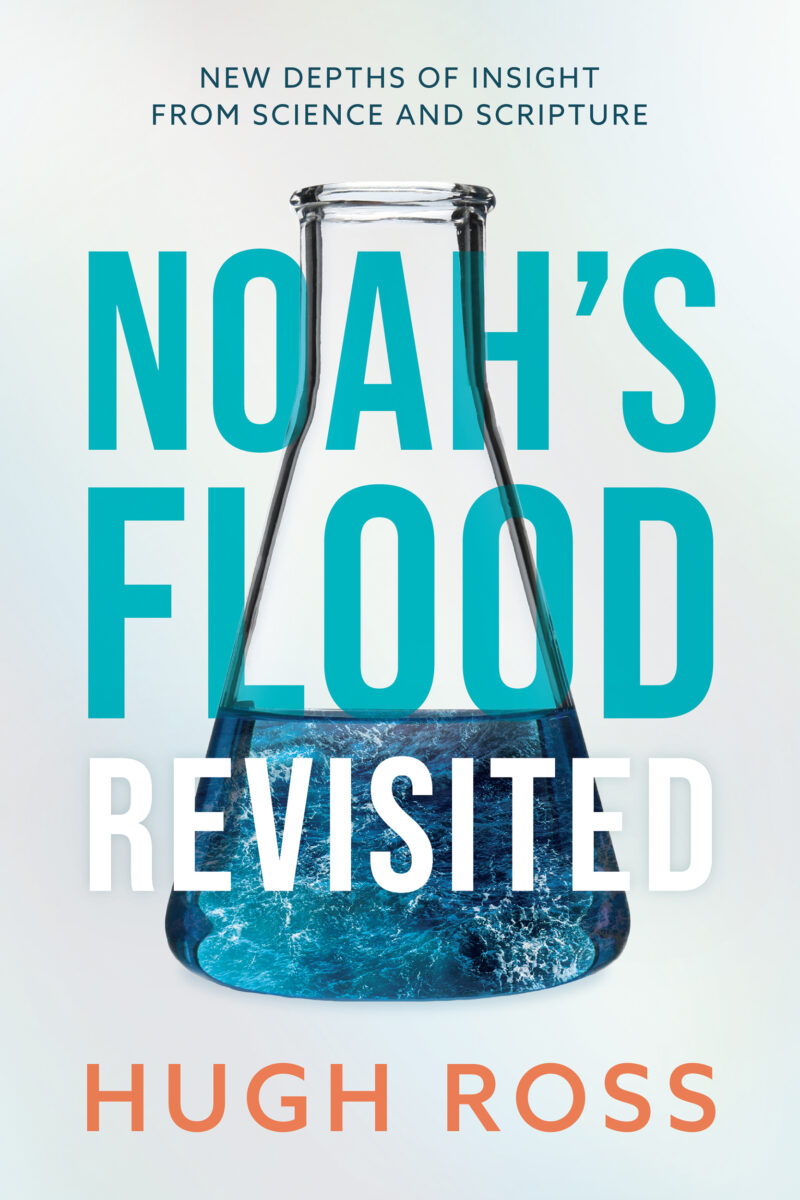
Ancient flood. Modern science. Real answers.
Scholar Hugh Ross integrates evidence from Scripture and cutting-edge science to deepen our understanding of Noah’s flood.
Since the beginning of recorded history, miracles have ignited wonder, stirred debate, and provoked doubt. They have been whispered about in candlelit chapels and examined in sterile laboratories. Christians see them as evidence of divine power, proof of a God who steps into the impossible. Skeptics see… Read More
Read more →
Early Humans
Author:
Reasons to Believe
Who Were The Nephilim?
Have you ever encountered a puzzling biblical verse that made you stop and think? We’re going to take a look at one of the most fascinating and mysterious subjects: The Nephilim in the Bible. These puzzling figures have sparked countless debates and theories among scholars, theologians, and curious minds alike. But who exactly were the Nephilim? Were they giants, fallen angels, or something else entirely? Read More
Read more →
Dive Deeper
The Bible
Author:
Hugh Ross
Q&A: How Did the Nephilim Reappear after the Flood?
Explore how the Nephilim reappear after the flood through biblical texts, interpretations, and theological insights about sons of God and men. Read More